
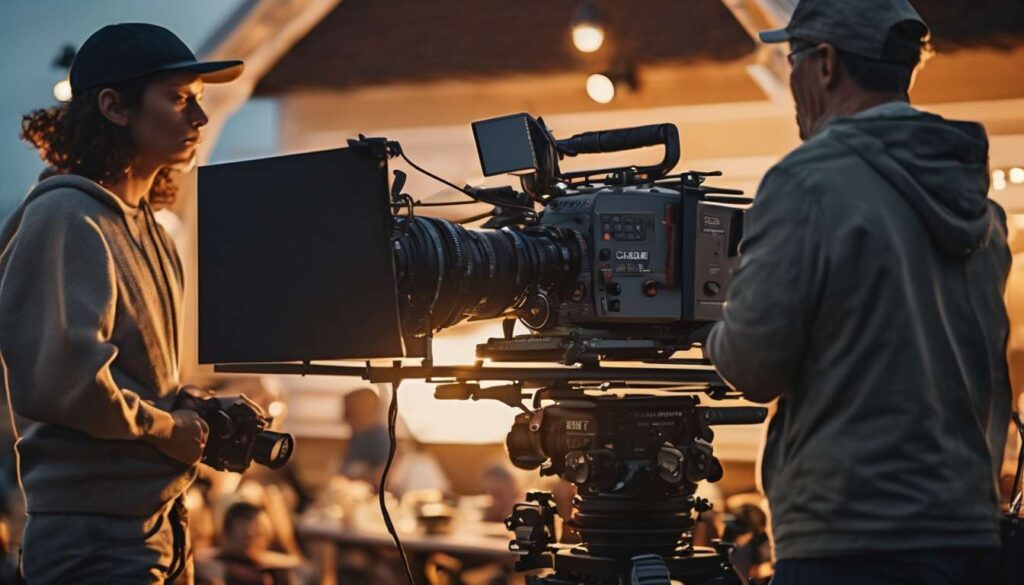
Here, as the old lighthouse guides ships through fog, we see industry associations as beacons steering movie workers toward fair standards and safer shores.
We have watched studios swell with ambition while crews and creatives have quietly borne the risks of unpredictable schedules, inconsistent pay, and uneven safety practices.
By pooling expertise, bargaining power, and ethical commitments, associations help level the playing field—setting transparent contracts, standardized safety protocols, and equitable pay benchmarks that smaller outfits might otherwise neglect.
We know that these organizations do more than lobby; they educate members, certify best practices, and mediate disputes before they escalate.
Together with unions, regulators, and employers, associations craft practical frameworks that protect livelihoods without stifling creativity.
Our article examines how these collective efforts translate into measurable improvements on set and in paychecks, why sustained investment in association-led standards matters, and how movie workers can engage with these institutions to shape a fairer, more resilient industry.
Role of Associations
We set and enforce fair standards for wages, safety, and working conditions across the film industry.
We bring members together so everyone feels represented and secure.
We negotiate collective agreements and share data to push for fair pay that reflects skill, experience, and production realities.
We develop and promote clear safety protocols, including:
- Training programs
- Incident reporting systems
- On-set oversight
We coordinate with employers, insurers, and regulators to close gaps and respond quickly when problems arise.
We provide resources, workshops, and peer networks that make it easier to:
- Raise concerns
- Find practical solutions
We monitor compliance and use graduated enforcement:
- Education first
- Mediation next
- Sanctions if needed
We celebrate workplaces that lead by example and spotlight improvements so others can learn.
Together, we create a culture where workers belong, are valued, and can expect consistent protections across productions.
Standardizing Contracts
We draft and promote standardized contract templates that clarify pay, hours, rights, and dispute resolution so productions and workers know what to expect.
We create clear clauses that ensure fair pay, define overtime, and specify job descriptions so every member feels respected and secure.
Our templates include procedures for reporting concerns, timelines for payments, and mechanisms for mediation so disagreements don’t fracture trust.
As industry associations, we consult producers, crews, and performers to keep terms practical and inclusive; we update templates when norms or laws change.
We reference agreed safety protocols without prescribing operational measures, so contracts tie responsibilities to wellbeing while leaving technical implementation to experts.
By sharing model agreements and explanatory guides, we help smaller companies adopt professional standards and give freelancers the bargaining tools they need.
Together, we build a community where consistent contracts reduce uncertainty, support livelihoods, and foster collaborations grounded in mutual respect and predictable, fair treatment.
Safety Protocols on Set
We develop and promote clear, practical on-set safety protocols that prioritize health, prevent accidents, and make responsibilities and reporting procedures unmistakable.
We create checklists, emergency plans, and role assignments so every crew member knows who’s responsible for what and how to act when something’s wrong.
We bring industry stakeholders together to agree on standards that protect everyone — including marginalized and temporary workers as well as long-term staff.
By building inclusive standards, we ensure that everyone is supported and covered by the same safety expectations and protections.
We train crews in hazard recognition, equipment handling, and de-escalation, and we require regular safety briefings before shoots.
Regular training and pre-shoot briefings keep skills fresh and risks visible, reducing accidents and misunderstandings on set.
We set up confidential incident reporting and follow-up so concerns are addressed without fear of retaliation.
Confidential channels and timely investigations reinforce a culture where safety and dignity matter.
We link compensation and staffing practices to safety.
- We champion fair pay across the board.
- We connect compensation practices to safe staffing levels and reasonable hours because under-resourcing creates risk.
We coordinate audits, share best practices, and back transparent enforcement to improve set safety and sustainability.
Through audits, information-sharing, and clear enforcement mechanisms, we make sets safer, more respectful, and more sustainable for everyone in the industry.
Fair Pay Benchmarks
We establish clear, evidence-based pay benchmarks that reflect job scope, regional cost of living, and true hours worked so every worker receives predictable, equitable compensation.
Benchmarks are based on transparent data sources:
- Surveys
- Collective input
- Market analysis
As industry associations, we:
- Set minimums and recommended ranges for each role.
- Account for overtime and on-call demands.
- Update figures regularly to align with local costs and living standards.
We link fair pay to accountability through:
- Contracts
- Dispute resolution pathways
- Routine audits
We coordinate compensation with safety and risk responsibilities to ensure pay covers additional duties tied to safe practice.
We provide practical tools and templates members can use to negotiate confidently and consistently.
By sharing standards openly, we create a community where workers, employers, and freelancers:
- Trust the process
- Belong to a fair system
- Can plan careers with clarity and dignity
Training and Certification
We develop clear, tiered training and certification pathways that equip workers with the skills, credentials, and ongoing assessment needed to meet evolving production demands.
We create curricula that reflect real-set conditions and blend hands-on practice with recognized standards.
- Map skill levels to transparent compensation bands so fair pay aligns with demonstrated competence.
- Use modular design so courses can be combined or taken individually.
We run accessible workshops, mentorships, and modular courses that let every member advance at their own pace while staying connected to a supportive community.
- Provide peer mentoring and industry practicum opportunities.
- Offer progress tracking and career advising.
We coordinate with production companies, unions, and regulators so certifications incorporate up-to-date safety protocols and industry associations’ best practices.
- Engage stakeholders in curriculum review and accreditation processes.
- Align credentialing with collective bargaining and regulatory requirements.
We maintain centralized registries of certified personnel and require periodic reassessment to keep credentials meaningful.
- Offer refresher courses and continuing education credits.
- Provide verifiable digital badges or certificates for employers to validate skills.
We prioritize inclusive access through subsidies, remote learning, and language support so no one’s excluded from career progression.
- Implement needs-based financial assistance and flexible scheduling.
- Ensure materials and instruction are available in multiple languages and accessible formats.
By linking validated skills to equitable pay and consistent safety standards, we build trust, strengthen workforce cohesion, and ensure everyone feels valued and prepared for the demands of modern filmmaking.
Dispute Resolution Mechanisms
We establish clear, accessible dispute resolution pathways that let members quickly raise concerns, get impartial reviews, and secure timely remediation.
We ensure every member feels heard and supported, with step-by-step guidance that reduces anxiety and builds trust.
Our panels include trained peers, neutral mediators, and experts who understand how industry associations apply standards like fair pay and safety protocols.
We use transparent timelines so grievances don’t linger, and we provide confidential channels for sensitive issues.
When mediation is needed, we favor solutions that restore working relationships and protect livelihoods, while reserving binding arbitration for unresolved, high-stakes disputes.
We collect and analyze anonymized case outcomes to spot patterns and improve policies, sharing lessons with our community so everyone benefits.
We also offer advocacy support and clear information about documentation members should keep.
By keeping procedures equitable, approachable, and consistent, we reinforce belonging across the sector and ensure that standards for compensation and on-set safety are upheld for all movie workers.
Collaboration with Stakeholders
We partner with unions, producers, employers, training bodies, and regulators to align expectations, share resources, and drive practical improvements for movie workers.
We bring industry associations together to build consensus on fair pay schedules, standardized safety protocols, and training curricula so every member feels supported and included.
By convening regular working groups, we listen, negotiate, and translate concerns into actionable policies that balance creative needs with workplace protections.
We coordinate joint audits and shared reporting tools so small crews and independent producers can access the same safeguards as larger studios.
We pool educational resources to raise understanding of rights, emergency procedures, and remuneration benchmarks, reducing disputes and strengthening trust.
When challenges arise, we use transparent escalation paths developed with stakeholders to resolve issues quickly and equitably.
Our collaborative approach reinforces a sense of belonging—everyone contributes, everyone benefits—and keeps fair pay and rigorous safety protocols at the center of the industry’s standards.
Engaging Movie Workers
We engage directly with movie workers to gather feedback, share resources, and co-design policies that reflect their day‑to‑day realities.
We listen in town halls, roundtables, and one‑on‑one conversations, making sure every voice can shape the standards industry associations develop.
Together we identify gaps in training, enforcement, and communication so solutions are practical and trusted.
We commit to transparent pathways for reporting concerns and to measurable commitments on fair pay and safety protocols.
We publish clear expectations, timelines, and support materials so workers know what change looks like and how to access help.
We mentor emerging crew members, connect freelancers to benefits, and promote peer networks that reduce isolation.
By centering workers in every stage—from problem definition to evaluation—we build shared ownership of standards.
We don’t impose rules; we co-create them, so industry associations reflect our collective values and deliver protections that feel real, equitable, and sustained.
How do industry associations handle members who work internationally or on co-productions across countries?
We coordinate with partner organizations and unions so members working abroad or on co-productions stay covered and supported.
We clarify which standards, contracts, and benefits apply, and help secure permits, clearances, and jurisdictional agreements when needed.
We provide guidance on taxation, credits, and dispute resolution, and connect members to local resources.
We advocate for reciprocity and transparent rules so everyone feels included and protected.
What funding mechanisms support the associations’ initiatives, and how transparent are their finances?
We ask how associations fund initiatives and how transparent their finances are.
Sources of funding include:
- Membership dues
- Training fees
- Grants
- Sponsorships
- Collective bargaining contributions
- Fundraising events
- Endowment management
We publish financial information for members, including:
- Annual reports
- Audited statements
- Budget summaries
Disclosure levels vary.
We encourage and advocate for:
- Open dialogue with members about finances.
- Accessible financial dashboards.
- Clear spending policies to ensure inclusion and trust in stewardship.
How do associations ensure representation and input from freelancers, part-time, and precarious workers?
How associations ensure representation and input from freelancers, part-time, and precarious workers
Inclusive outreach and participation
- We create inclusive outreach, host flexible meeting times, and offer virtual participation so everyone can join.
- We translate materials and run targeted surveys to reach non-native speakers and hard-to-reach groups.
- We provide stipends or expense reimbursements to reduce financial barriers to participation.
Dedicated representation structures
- We set up dedicated seats and advisory panels for short-term hires and precarious workers.
- We establish rapid-response feedback channels for issues that affect short-term or contingent staff.
Active recruitment and continual feedback
- We actively recruit diverse voices to ensure a wide range of perspectives.
- We report back on impacts so members see how their input is used.
- We adapt policies and practices based on ongoing member input and changing needs.
Conclusion
Industry associations protect movie workers by setting fair, enforceable standards.
They standardize contracts, enforce safety protocols, and set pay benchmarks so everyone gets treated fairly.
They provide training and certification, and offer dispute resolution.
They collaborate with studios, unions, and regulators to align practices and ensure compliance.
By engaging workers directly, associations keep standards practical and responsive.
Rely on these associations to keep your workplace safer, fairer, and more professional as the industry evolves.