
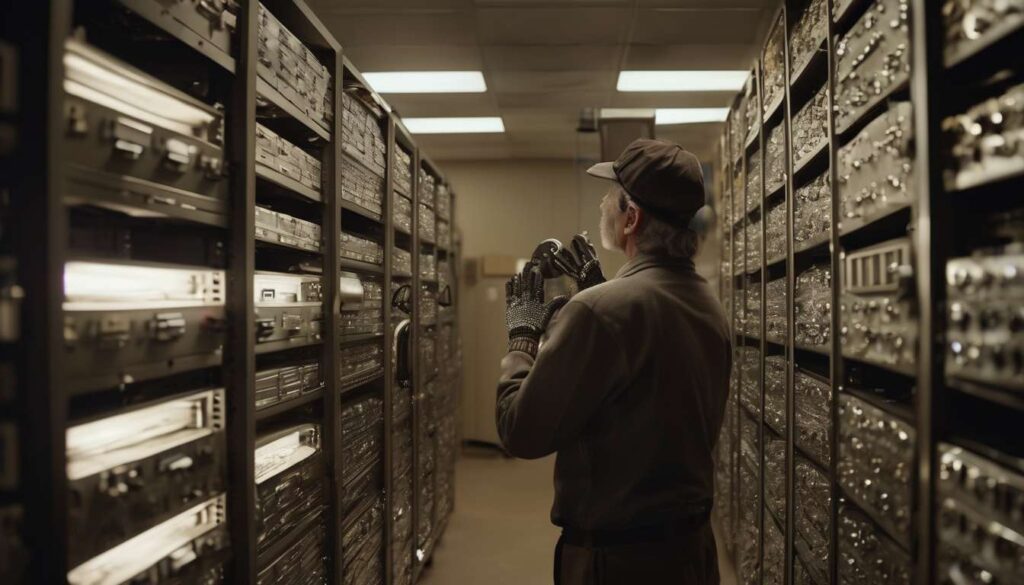
Bringing to mind a vault of flickering reels, we recall Virginia Woolf’s line: "Books are the mirrors of the soul."
Digital archives are the mirrors of cultural memory.
We are custodians of media that has been simultaneously marginalized and massively consumed.
Our work must grapple with preserving material the mainstream often neglects.
This work intersects law, technology, ethics, and shifting public morals.
Decisions made now will determine what future researchers and citizens can study about late 20th and early 21st century intimacy, commerce, and representation.
We confront practical and technical obstacles, including:
- Broken metadata — records that are incomplete, inconsistent, or missing.
- Obsolete codecs — formats and players no longer supported by modern systems.
- Takedown-driven deletions — content removed because of legal complaints or platform policies.
- Storage systems lacking stigma-sensitive policies — designs that do not account for privacy, anonymity, or contextual handling.
As we map preservation priorities, we must balance access, consent, and legality while preventing cultural erasure.
This article examines the unique preservation challenges facing adult movie archives and proposes paths toward resilient, responsible stewardship.
Context and Stakes
We need to understand who creates, consumes, and regulates adult film materials and why their preservation matters for cultural history, legal rights, and research access.
Stakeholders include creators, performers, distributors, archivists, and researchers — all of whom belong in this conversation.
We’re committed to framing digital preservation as a shared responsibility that balances access with ethical care.
Consent and privacy are central.
- Performers’ choices about reuse and visibility must guide retention policies.
- We will advocate for practices that protect identities and honor agreements (contracts, take-down requests, and scope-of-use limits).
Documenting metadata provenance is necessary for transparency and accountability.
- Track origins, rights statements, and alterations so future users can trace provenance.
- Clear provenance metadata supports trust, enforces rights, and documents chain-of-custody decisions.
Audiences and scholars rely on intact records.
- Researchers study social norms, aesthetics, and labor histories that these materials document.
- Preserved materials enable legitimate inquiries into culture, law, and industry practices.
Centering community values and technical standards will guide ethical archiving.
- Establish community-informed retention and access policies that respect participant dignity.
- Implement technical standards for metadata, access control, and anonymization where appropriate.
- Balance legitimate research access with privacy protections and legal compliance.
The goal is to build archives that respect participants, enable legitimate research, and keep cultural memory intact without sacrificing dignity or legal protections.
Legal and Regulatory Hurdles
Many legal frameworks and regulatory bodies shape preservation of adult film materials.
We must navigate age-verification laws, obscenity statutes, takedown requests, and rights-clearance requirements to preserve these materials responsibly.
Digital preservation in this sector is governed by overlapping rules that vary by jurisdiction.
- We coordinate compliance strategies that are pragmatic and community-minded.
- We update procedures as laws change and share templates so smaller archives aren’t left behind.
We document consent and privacy practices and enforce access controls to limit exposure and meet legal obligations without isolating contributors or researchers.
We track metadata provenance rigorously so provenance trails support rights claims, takedown responses, and audits.
- Clear provenance also builds trust among peers who want archives to be reliable and accessible.
We engage legal counsel, policymakers, and industry partners to argue for proportional rules that permit academic study and cultural memory while protecting vulnerable people.
We will keep advocating for predictable, transparent regimes that balance preservation goals with lawful, respectful stewardship.
Ethical Consent Considerations
We will obtain clear, documented consent from performers and contributors before archiving, sharing, or providing access to any adult film materials.
- We will use plain-language agreements that explain how materials will be stored, who can access them, and for what purposes.
- We will provide revocation pathways so people can update or withdraw their choices over time.
- We will log consent decisions and link them to descriptive records to maintain accountability.
We will create practices that respect consent and privacy.
- We will limit unnecessary exposure by adopting role-based access controls.
- We will balance long-term digital preservation goals with individual rights.
- We will avoid exposing sensitive details while maintaining sufficient records for responsible stewardship.
We will foster a supportive community where contributors feel safe asking questions and asserting boundaries.
- We will train staff to handle sensitive requests compassionately.
- We will encourage a sense of belonging that strengthens ethical stewardship.
We will maintain oversight and continuous improvement of our practices.
- We will audit consent and privacy practices regularly.
- We will build archives that honor people’s dignity and sustain trust, creating a responsible foundation for preserving adult film heritage.
Metadata and Provenance Gaps
Many archival records lack consistent descriptive and provenance information.
We must close those gaps to ensure authenticity, discoverability, and responsible access.
Consistent metadata provenance is essential.
It lets us trace who created, modified, or provided a file and under what terms.
Adult movie archives require additional, careful fields.
- Record consent status.
- Record access restrictions.
- Record anonymization steps — but avoid exposing sensitive details.
Adopt interoperable schemas and controlled vocabularies.
We should use standards that respect contributors and subjects and make records usable across systems.
Document decisions and rationale.
Documenting why particular access rules exist ensures future stewards understand and can maintain ethical practices.
Use collaborative workflows and community review.
- Shared training for staff.
- Community involvement to correct omissions and reduce bias.
Integrate metadata provenance into digital preservation planning.
This approach creates a trustworthy record chain that supports:
- Ethical access.
- Legal compliance.
- Research needs.
- A sense of belonging among contributors, users, and archivists.
Technical Obsolescence Risks
Many file formats, codecs, and playback systems become unusable within a few decades, so we need proactive strategies to prevent loss of access.
We recognize technical obsolescence as a shared challenge for digital preservation of adult movie archives, and we commit to collaborative solutions that keep content discoverable and accountable.
We prioritize documenting metadata provenance so future users understand file history, transformations, and authenticity.
We’ll maintain format inventories, migration plans, and emulation options, and we’ll test them regularly to ensure playback remains possible without compromising consent and privacy expectations tied to the materials.
We’ll choose sustainable, open formats when feasible and record every conversion step in our metadata systems.
We’ll coordinate with peers to share tools and preservation policies, reducing duplicated effort and creating a supportive community.
By treating technical obsolescence as a solvable, collective problem, we’ll safeguard cultural and research value while respecting the ethical constraints that surround these collections.
Privacy and Anonymity Measures
We will implement strict privacy and anonymity measures to protect performers, contributors, and subjects while keeping materials accessible for legitimate research and cultural use.
We will adopt clear consent and privacy protocols at ingestion.
- Ensure permissions are documented and revocable.
- Capture the scope, duration, and intended uses of consent.
- Record contact or representative information for follow-up or withdrawal.
We will anonymize identifiers and apply pseudonymization where full removal isn’t feasible.
- Remove direct identifiers when possible.
- Use stable pseudonyms to preserve traceability for vetted researchers.
- Balance traceability with protections by limiting linkage keys to secure systems.
We will maintain rigorous metadata provenance records separate from public-facing catalogs.
- Store provenance and rights information in a protected environment.
- Use provenance records to verify authenticity and rights without exposing sensitive details.
We will encrypt sensitive metadata fields and log access to them, creating audit trails that support accountability and reduce misuse.
- Apply field-level encryption for highly sensitive attributes.
- Maintain tamper-evident logs of who accessed sensitive metadata and when.
- Regularly review logs for anomalous access patterns.
We will develop role-based access controls and vetted user agreements tailored to academic and cultural users who share our preservation mission.
- Define roles (e.g., public user, researcher, curator, conservator).
- Assign minimum necessary permissions per role.
- Require signed agreements for elevated access that outline permitted uses and sanctions for misuse.
We will engage community stakeholders and performers’ representatives to co-create privacy standards, fostering trust and belonging.
- Involve stakeholders in drafting consent language and access policies.
- Provide transparent channels for feedback and dispute resolution.
We will periodically review practices against evolving laws and norms and update workflows accordingly.
- Audit consent and privacy procedures on a scheduled basis.
- Update metadata provenance practices and access controls to reflect legal and ethical changes.
Overall commitment: We will keep digital preservation efforts ethical, transparent, and inclusive by combining documented consent, technical protections (anonymization, encryption, access controls), community engagement, and ongoing review.
Access Versus Preservation Tradeoffs
We must balance broad access to materials with preservation actions that can restrict or alter items.
This requires careful tradeoffs about who can see originals, what copies we provide, and how intervention affects long‑term integrity.
We recognize that digital preservation teams serve communities who want connection and trust.
- We’ll be explicit about why some originals stay restricted.
- We’ll explain how access copies are derived.
We will embed consent and privacy considerations into access policies so contributors and subjects feel respected.
- Consent and privacy will guide decisions about what to show, redact, or restrict.
- Decisions will be documented so users understand the rationale and see that protections aren’t arbitrary.
We commit to transparent metadata provenance, recording who made changes, when, and why.
- Clear provenance lets the community evaluate authenticity and context.
We will not conflate openness with recklessness; we will adopt tiered access that reflects legal, ethical, and preservation needs.
- Define access tiers based on risk, rights, and preservation impact.
- Match access copies and restrictions to each tier.
- Review tiers with stakeholders regularly.
By involving stakeholders in policy setting and explaining tradeoffs clearly, we will keep people included while safeguarding materials for future generations.
Strategies for Sustainable Stewardship
Sustainable stewardship through realistic planning and partnerships.
We’ll prioritize sustainable stewardship by aligning preservation practices with realistic resource planning, community partnerships, and scalable workflows.
Shared roadmap and pooled expertise.
We’ll build a shared roadmap that balances digital preservation goals with operating budgets, and we’ll pool expertise through consortia so smaller archives don’t shoulder unsustainable costs alone.
Consent, privacy, and access policies.
We’ll create clear policies for consent and privacy that respect performers and donors while enabling responsible access.
- These policies will guide ingest, retention, and takedown processes.
Provenance and metadata standardization.
We’ll standardize metadata provenance to ensure every item’s history, ownership, and processing steps are traceable, reducing duplication and legal risk.
Modular, vendor-neutral storage strategies.
We’ll adopt modular storage strategies—tiered, repairable, and migratable—to avoid vendor lock-in and to scale as collections grow.
Staff training and community-led governance.
We’ll invest in staff training and community-led governance so stakeholders feel ownership and accountability.
- That sense of belonging reduces turnover and preserves institutional knowledge.
Measurement, review, and knowledge sharing.
We’ll monitor outcomes with measurable KPIs, revisit policies periodically, and share lessons openly so our stewardship remains resilient, ethical, and cost-effective.
What funding models are available specifically for adult-content archives that avoid reliance on mainstream grants or advertisers?
We’re asking what funding models work when mainstream grants or advertisers aren’t options.
Membership subscriptions — recurring revenue from members who value the project’s mission.
Tiered patronage on platforms like Ko-fi or Patreon — create clear tiers with explicit content and benefit policies so supporters know what each level includes.
Cooperative ownership with member equity — community members own shares or voting rights, aligning incentives and decision-making.
Donation drives tied to community milestones — time-limited campaigns with transparent goals (e.g., “reach X members” or “fund Y project”) and public progress tracking.
Micro-payments for access — small one-time fees for individual articles, archives, or features; useful when many users will pay small amounts rather than subscribe.
Merchandise and branded events — sell physical goods or host paid online/offline events that strengthen community identity and provide revenue.
Crypto donations and NFT sales — accept cryptocurrency or issue NFTs as collectible receipts of support; ensure clear policies on environmental impact, resale terms, and how proceeds are used.
Partnerships with niche foundations or private collectors — seek support from organizations or individuals who specifically value preservation and cultural stewardship rather than mass-market exposure.
We’ll prioritize transparency and community governance.
Make funding practices, revenue allocation, and decision rules public, and involve members in governance (surveys, elected boards, or cooperative voting) to maintain trust and long-term sustainability.
How can archives securely verify the age of performers in legacy materials when original documentation is missing?
Goal: verify performer age in legacy materials when documentation is missing, prioritizing safety and consent.
Search for corroborating evidence:
- Public records (birth certificates, government records)
- Production notes, payroll records, and contracts
- Contemporaneous media (press releases, trade publications, archived interviews)
- Metadata and file timestamps
- Release dates and distribution records
- Legal filings or censorship/obscenity case records
Interview surviving personnel and performers:
- Contact surviving staff, directors, producers, or co-performers for firsthand accounts
- Record and timestamp interviews; obtain written statements when possible
- Cross-check recollections against independent documentary evidence
Use technical and forensic checks:
- Examine metadata, camera logs, and file-system timestamps
- Perform digital forensic analysis on media files for edits or inconsistencies
- Consult forensic image/video experts when necessary
Consult counsel and age-verification experts:
- Obtain legal advice on evidentiary standards and statutory requirements
- Engage age-verification specialists for difficult cases or ambiguous evidence
Document every step and retain audit trails:
- Keep a clear, timestamped record of searches, findings, interviews, and decisions
- Store originals and copies of evidence securely with access logs
- Create a decision memo summarizing the weight of evidence and rationale
Err on the side of exclusion when uncertainty remains:
- If age cannot be verified to the applicable legal standard, exclude the material
- Prioritize performer safety and community protection over archival completeness
Key principles to follow:
- Safety and consent first.
- Thorough, documented investigation.
- Legal compliance and expert consultation.
- Conservative decision-making when evidence is inconclusive.
What partnerships or alliances have proven effective between adult archives and mainstream cultural institutions for resource sharing?
Partnerships with university libraries, local museums, and regional archives work well for resource sharing; we pool digitization equipment, conservation expertise, and metadata training.
Membership in consortia with rights organizations and LGBTQ+ cultural centers expands access and strengthens advocacy.
Reciprocal loan agreements and shared storage networks are being built to improve physical preservation and access.
Joint workshops and training programs are created so everyone feels welcome, supported, and empowered to preserve challenging collections together.
Conclusion
You’re navigating a fraught preservation landscape where legal barriers, consent complexities, metadata gaps, and technical obsolescence all collide.
You’ll have to balance access with rigorous privacy protections, anonymization, and provenance standards while lobbying for clearer regulations and ethical frameworks.
Prioritize modular, well-documented storage, robust rights management, and community-driven stewardship so these archives survive technically and ethically.
With coordinated policies and respectful practices, you can preserve cultural history without harming participants.